
Product classification
How Simudza Classifies Zimbabwean Products
A transparent system for describing how products connect to Zimbabwean production and economic activity — so shoppers and makers share the same language.
From production to economic connection
These classifications describe where and how a product connects to Zimbabwe. They are not quality ratings, and a product may carry more than one.
Production
Local finishing
Economic connection
Unclassified
Classification system
Six classification types. Scan the cards, then open any one for definition, flow, and examples.
Production
Made in Zimbabwe
Manufactured or substantially processed in Zimbabwe
Examples
- A biscuit manufactured and finished in Zimbabwe
- A garment cut, sewn, and finished in Zimbabwe
- A processed food whose primary manufacturing steps happen in Zimbabwe
Production
Grown in Zimbabwe
Primary agricultural material produced in Zimbabwe
Examples
- Cotton
- Maize
- Wheat
- Tobacco
- Sugar cane
- Tea
- Coffee
- Fruits
- Vegetables
- Livestock products
This classification focuses on where the primary agricultural or plant-based material is produced, not on later manufacturing alone.
Local finishing
Packaged in Zimbabwe
Made elsewhere, packaged locally
- Product manufactured abroad
- Bulk imported
- Packaged in Zimbabwe
- Sold as finished product
Examples
- A product manufactured abroad, bulk imported, then packaged and labeled in Zimbabwe for sale as a finished product
Packaged in Zimbabwe is distinct from Assembled in Zimbabwe. They describe different kinds of economic activity and are not interchangeable.
Local finishing
Assembled in Zimbabwe
Components made elsewhere, assembled locally
- Components imported
- Assembled in Zimbabwe
- Finished product
Examples
- Imported components assembled into a finished product in Zimbabwe
Assembled in Zimbabwe is distinct from Packaged in Zimbabwe. Assembly means putting components together into a finished product; packaging means final packing or labeling of a product made elsewhere.
Economic connection
Supports Zimbabwe
Documented Zimbabwean economic or business connection
Examples
- A product with a clear Zimbabwean business, ownership, or economic link that is documented, even when primary production happens elsewhere
This is a narrower claim than Made, Grown, Packaged, or Assembled in Zimbabwe. It should only be used when that documented connection exists and the stronger production classifications do not apply.
Unclassified
Other
Does not fit the defined classifications
Examples
- Edge cases that cannot be placed honestly in the classifications above
How does Simudza classify a product?
Classification follows evidence about materials, manufacturing, finishing, and documented economic links — not marketing claims alone.
-
What is the product?
Identify the finished good as listed.
-
Where are its primary materials produced?
Agricultural or plant-based origin points to Grown.
-
Where does manufacturing or processing happen?
Substantial local manufacture points to Made.
-
Where is it packaged or assembled?
Local finishing may add Packaged or Assembled.
-
Is there another documented Zimbabwean economic connection?
Ownership or business links may support Supports Zimbabwe.
-
Apply every classification that honestly fits
Use all that evidence supports — skip what it does not.
Packaged is not the same as Assembled
Both are local finishing — but they describe different work. Side-by-side, the difference is immediate.
Packaged in Zimbabwe
The product is manufactured or produced elsewhere, but the final packaging operation occurs in Zimbabwe.
- Product manufactured abroad
- Bulk imported
- Packaged in Zimbabwe
- Sold as finished product
Assembled in Zimbabwe
The components are manufactured elsewhere, but the final assembly happens in Zimbabwe.
- Components imported
- Assembled in Zimbabwe
- Finished product
How this looks on real products
Examples from the Simudza directory — with the classifications that apply and why.
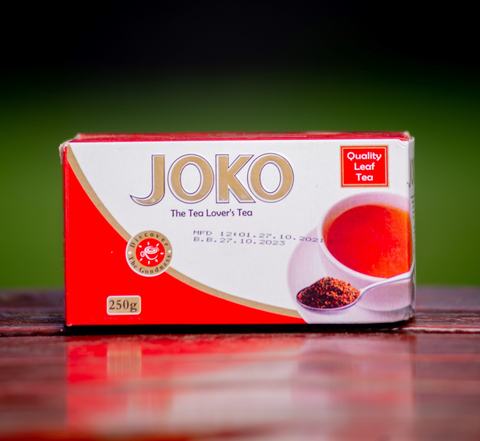
Joko
Tanganda Tea
Tea leaf is grown on Zimbabwean estates, then processed and finished by Tanganda in Zimbabwe — both Grown and Made apply.
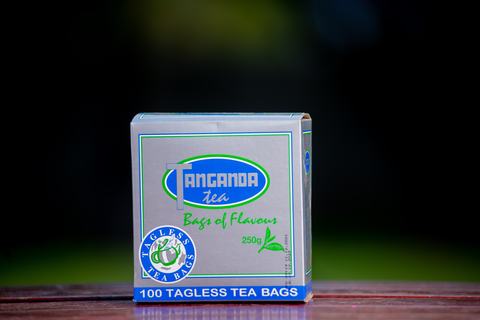
Tanganda Tea
Tanganda
Primary agricultural material is Zimbabwean tea; manufacturing and finishing also happen in Zimbabwe.
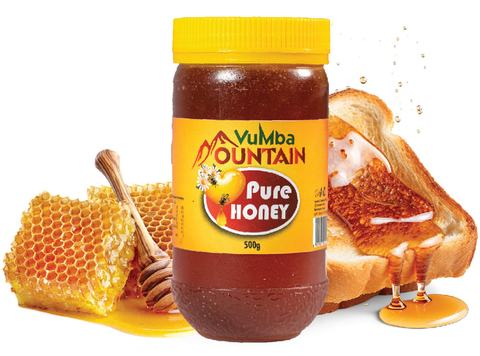
Honey
Glytime
Harvested from Zimbabwean sources and prepared as a finished food product locally.
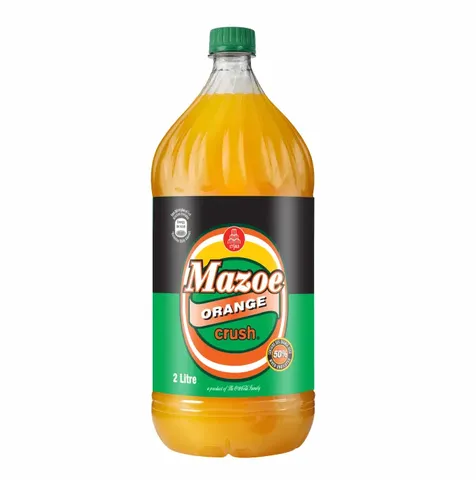
Mazoe Orange Crush
Mazoe
A finished beverage manufactured and packed in Zimbabwe — classified for substantial local processing.
Classification principles
These classifications are not quality ratings. A product can have more than one classification.
- Evidence-based — claims need a documented basis
- Multiple classifications allowed when they all fit
- Not a quality rating or ranking of “better” products
- No classification without a documented Zimbabwean connection